Checking Out the Versatile Utilizes and Applications of Light Weight Aluminum Castings in Modern Industries
Aluminum castings have ended up being important to various contemporary markets because of their one-of-a-kind residential or commercial properties. They offer substantial benefits in weight decrease, thermal conductivity, and corrosion resistance. From vehicle developments to applications in customer products and building and construction, their flexibility is amazing. Yet, truth extent of their influence prolongs beyond prompt benefits, meaning wider effects for sustainability and effectiveness. What lies ahead for aluminum castings in an ever-evolving commercial landscape?
Automotive Industry Innovations
The vehicle sector has actually progressively accepted aluminum spreadings to boost automobile efficiency and efficiency. By using light weight aluminum, suppliers can create lighter components, which add to boosted gas economic situation and lowered discharges. Trick applications include engine blocks, transmission cases, and architectural parts, where the material's strength-to-weight ratio supplies durability without including excess weight.
Aluminum castings additionally use exceptional thermal conductivity, which assists in much better warm dissipation, thus enhancing engine performance. Improvements in casting innovations, such as die spreading and sand spreading, make it possible for the manufacturing of complicated geometries, allowing for innovative layouts that maximize room and performance.
The recyclability of aluminum aligns with sustainability objectives in the vehicle industry, advertising eco-friendly practices. As the industry proceeds to introduce, the usage of light weight aluminum spreadings is likely to increase, driving further advancements in lorry layout and efficiency.
Aerospace Developments and applications
While the aerospace industry proceeds to focus on weight decrease and fuel efficiency, aluminum spreadings have become a vital product choice for different applications. Their light-weight nature, combined with high strength-to-weight ratios, enables substantial improvements in airplane performance and efficiency. Aluminum castings are generally utilized in structural elements, such as fuselage structures and wing parts, where lowering weight is necessary.
Recent improvements in aluminum spreading modern technologies, including boosted alloy formulations and accuracy spreading strategies, have further enhanced the material's performance capabilities. These innovations enable the production of complex geometries and detailed styles while maintaining architectural stability. Furthermore, aluminum's excellent corrosion resistance assurances longevity and dependability in harsh aerospace atmospheres.
As the aerospace sector increasingly welcomes sustainability, light weight aluminum castings provide a recyclable solution that aligns with green practices, making them an essential component in the advancement of next-generation airplane.
Consumer Product and Everyday Products
As customers increasingly seek light-weight yet durable materials for day-to-day products, aluminum spreadings have gained popularity in different durable goods. The special residential properties of aluminum, including its resistance to rust and superb thermal conductivity, make it an optimal selection for items like kitchenware, household home appliances, and exterior gear. For instance, light weight aluminum cast pans and pots provide also warmth circulation, enhancing cooking effectiveness. Furthermore, making use of light weight aluminum in items such as bicycle frameworks and baggage assures an equilibrium in between toughness and portability. Suppliers appreciate aluminum castings for their flexibility, as they can be quickly formed into complicated forms while keeping architectural honesty. In addition, the capacity to reuse light weight aluminum without weakening its properties aligns with growing consumer preferences for lasting items. Overall, aluminum castings are indispensable to the manufacturing of durable, functional, and visually pleasing consumer items, satisfying the demands of modern-day way of livings.
Building And Construction and Architectural Utilizes
Aluminum castings have actually ended up being a vital component in construction and building style, particularly as a result of their strength and light-weight nature. These buildings make light weight aluminum an optimal choice for numerous applications, including structural components, exteriors, and decorative attributes - Wisconsin Aluminum Foundry. Building contractors and designers significantly make use of aluminum castings for home window structures, doors, and roof, enhancing both performance and aesthetic appeals. The material's resistance to deterioration even more expands its lifespan, lowering maintenance prices and making sure sturdiness in varied environmental conditions
Aluminum can be quickly molded right into intricate layouts, enabling for innovative building expressions. Its versatility helps with the production of personalized pieces that satisfy certain style demands, from ornate railings to complicated supports. As sustainability comes to be a top priority, aluminum's recyclability contributes to its allure in environment-friendly building and construction techniques. Overall, aluminum castings are reinventing the building and construction sector by providing lightweight, resilient, and visually attractive options.
Electric and Digital Parts
Light weight aluminum castings play a crucial role in the production of light-weight electric enclosures, which enhance transportability and performance in various applications. In enhancement, their excellent thermal conductivity makes them optimal for warmth sinks, ensuring peak efficiency and durability of digital elements. Light weight aluminum's conductive buildings contribute to its use in numerous electric conductors, emphasizing its importance in modern-day technology.
Lightweight Electric Rooms
Lightweight electric rooms play a vital role in shielding delicate digital elements from environmental variables and physical damages. Constructed from light weight aluminum castings, these enclosures are valued for their strength-to-weight proportion, making them suitable for different applications throughout markets. Their lightweight nature help in decreasing total system weight, which is important in mobile and mobile electronics. Light weight aluminum's corrosion resistance boosts sturdiness, expanding the life expectancy of the encased components. The capacity to mold light weight aluminum right into complicated forms permits personalized designs, catering to details requirements while making certain effective warm dissipation. In addition, these enclosures can be quickly incorporated into existing systems, giving flexibility and adaptability in modern-day technological atmospheres. Generally, light-weight aluminum rooms substantially contribute to the effectiveness of digital tools.
Heat Sinks and Conductors
While numerous materials are made use of in electronic elements, light weight aluminum spreadings attract attention for their effectiveness in heat administration as warmth sinks and conductors. Their superb thermal conductivity enables efficient warm dissipation, which is crucial in avoiding the getting too hot of digital gadgets. Light weight aluminum's light-weight nature better improves its viability for applications where weight is a considerable variable, such as in aerospace and automobile markets. Furthermore, light weight aluminum castings can be quickly formed into complicated forms, supplying design versatility for enhancing thermal performance. The rust resistance of aluminum also adds to the longevity and integrity of these parts in various settings. As modern technology breakthroughs and tools come to be a lot more small, the demand for effective heat monitoring remedies, like light weight aluminum castings, remains to expand.
Marine Sector Use
The aquatic market increasingly counts on light weight aluminum castings for their extraordinary sturdiness and corrosion resistance. These residential properties make aluminum a perfect choice for numerous applications, including watercraft hulls, engine elements, and marine equipment. The light-weight nature of light weight aluminum spreadings enables boosted fuel effectiveness and simpler maneuverability in boat, which is vital for both recreational and business vessels.
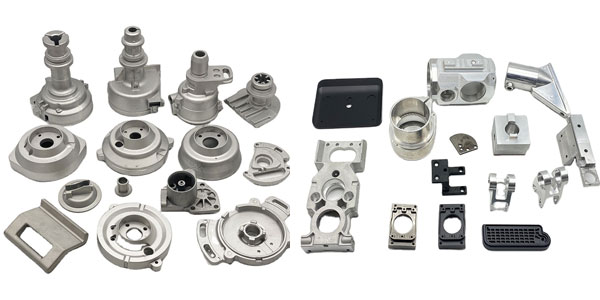
Light weight aluminum castings also give considerable expense advantages as a result of their long lifespan and reduced upkeep needs, reducing the total operational costs for marine drivers. Furthermore, the flexibility of aluminum enables for elaborate layouts that can satisfy specific performance needs.
Makers in the marine market utilize innovative casting strategies to produce complicated forms, making sure that components meet rigorous security and performance criteria. As the demand for high-performance aquatic vessels grows, light weight aluminum spreadings are positioned as a crucial material in improving the functionality and durability of aquatic equipment.
Sustainability and Recycling in Light Weight Aluminum Spreading

Aluminum Recycling Refine
Recycling light weight aluminum plays a necessary role in decreasing environmental effect and conserving resources within the spreading industry. The light weight aluminum reusing process begins with the collection of scrap light weight aluminum, which can include old elements, making waste, and post-consumer products. This scrap is then arranged, cleaned up, and shredded right into small items to promote melting.
Once prepared, the light weight aluminum scrap is thawed in a furnace at lower temperature levels than primary light weight aluminum manufacturing, substantially minimizing power usage. The liquified light weight aluminum you could try here is then cast right into ingots or other shapes for reuse in numerous applications - Aluminum Castings. This closed-loop system enables for the reliable recuperation of aluminum, preserving its residential properties while lowering the need for virgin products. As a result, the reusing procedure is an essential element of sustainable methods in aluminum spreading
Environmental Benefits
While light weight aluminum spreading plays a crucial role in various industries, its ecological advantages are specifically impressive regarding sustainability and resource conservation. The lightweight nature of light weight aluminum adds to power performance in transportation, minimizing gas usage and emissions. Additionally, aluminum spreading assists in using recycled products, significantly decreasing the energy needed for production contrasted to primary website link light weight aluminum. This reusing procedure lessens waste and reduces the environmental influence connected with mining and refining basic materials. Furthermore, aluminum is 100% recyclable without destruction of its homes, promoting a lasting lifecycle. By choosing light weight aluminum casting, industries can substantially minimize their carbon footprint while advertising resource performance, making it a necessary option in the pursuit of eco-friendly production methods.
Closed-Loop Systems

Frequently Asked Concerns
What Are the Trick Benefits of Aluminum Castings Over Various Other Products?
Aluminum castings use light-weight homes, excellent corrosion resistance, and high strength-to-weight ratios. They can be quickly built right into complex shapes, supply excellent thermal and electric conductivity, and are cost-effective, making them more suitable over many alternate materials.
How Is the Light Weight Aluminum Casting Refine Ecologically Friendly?
The aluminum casting procedure is eco-friendly as a result of its recyclability, reduced power usage, and minimized waste manufacturing. Its capability to use recycled materials reduces the carbon footprint, promoting sustainability within making practices.
What Are Typical Difficulties in Light Weight Aluminum Casting Production?
Common challenges in aluminum casting manufacturing consist of maintaining dimensional accuracy, taking care of thermal tightening, protecting against issues like porosity and incorporations, making certain correct mold and mildew style, and enhancing production effectiveness while lessening product waste and environmental influence.
Just How Do Light Weight Aluminum Castings Compare in Cost With Various Other Production Methods?
Aluminum spreadings commonly use competitive costs contrasted content to various other producing methods, specifically for tool to high-volume manufacturing. Their reduced preliminary tooling expenses and efficient product use can result in desirable economics over time.
What Future Fads Are Anticipated in Light Weight Aluminum Casting Modern Technology?
Future patterns in aluminum spreading innovation are anticipated to consist of developments in automation, boosted alloy structures, improved recycling approaches, and the integration of 3D printing, all targeted at enhancing efficiency, minimizing costs, and decreasing environmental influence.
Recent advancements in light weight aluminum casting innovations, consisting of enhanced alloy solutions and precision spreading techniques, have better improved the material's performance capacities. Aluminum spreadings have actually become a crucial component in building and construction and architectural style, specifically due to their strength and lightweight nature. The light weight aluminum recycling process starts with the collection of scrap light weight aluminum, which can include old elements, making waste, and post-consumer items. Once prepared, the aluminum scrap is thawed in a heating system at reduced temperature levels than primary aluminum production, substantially reducing energy usage. Furthermore, light weight aluminum spreading helps with the usage of recycled products, greatly lowering the power needed for production compared to primary aluminum.